



So much has changed over the past few years. The whirlwind of artificial intelligence (AI) advancements has transformed different human resources operations and performance management is no exception.
Integration of AI into performance management systems has greatly transformed how companies collect data, evaluate employees, provide feedback, and drive overall performance. In reality, AI is far more rudimentary. It has the power to revolutionize performance management from a time-consuming HR task into a strategic function that can drive business success.
Today, we’ll focus on the impact of AI applications on HR. And, of course, we’re talking about performance management. We’ll also look into how HR professionals and companies in the UAE, in particular, can embrace these advancements to optimize their HR processes.
What is Performance Management?
Performance management generally refers to the strategic process whereby organizations plan, monitor, and evaluate their employees’ performance. It involves setting goals, providing feedback and coaching, and creating development plans to help employees reach their full potential. This process is crucial for achieving individual and organizational goals.
Traditionally, performance management was a manual process that involved paper-based evaluations, lengthy feedback discussions, and annual performance reviews. However, with the advent of AI technologies, this process is becoming more automated and data-driven.
What is AI-Powered Performance Management?
AI-powered performance management is the process of using artificial intelligence to automate and optimize performance management tasks.
This commonly involves using data analytics, machine learning, and natural language processing to measure performance by considering different factors than a simple score or rating.
Role of AI in Performance Management: Its Impact
Performance management goes beyond traditional performance reviews and evaluations by including strategies for improving employee performance.
Next are the key ways in which artificial intelligence impacts the performance management process:
1. Automated Performance Reviews
AI-driven performance management systems help business leaders and HR practitioners concentrate on factual data and perform employee performance reviews.
The ROI of the platform is significant in 3 major ways:
a. Seamless collection of information: Otherwise, employees are forced to spend many hours collecting (usually) redundant data at performance review times. Therefore, the role of AI in performance management is evident here. It ensures that all the information is collected, organized, and accessible in one single place.
b. Real-time analysis of insights: With AI, it is easier for managers to access performance data, and analysis of the same can be done in real time. Correct data comes with real-time analysis and helps track employee progress and identify areas for improvement.
c. Eliminates any form of bias: AI eliminates the chances of any form of subjectivity during performance evaluations by using unbiased data to measure performance. This also ensures fairer and more accurate evaluations.
2. Predictive AI-Driven Analytics and Insights
Similar to analyzing past data and giving you recommendations for KPIs (key performance indicators), AI-based tools can predict the outcomes of certain actions.
A typical case is when the HR team has to predict employee turnover. They can use AI-powered algorithms to forecast the likelihood of an employee leaving and take proactive measures to retain them. In fact, most performance-tracking tools, now rely on AI algorithms to identify the employees’ performance.
That means many HR information systems have predictive analysis capabilities to automate performance tracking and reporting. Some will even go further and recommend development plans that can help you retain top talent.
3. Continuous Real-Time Assessments
Artificial intelligence in performance management systems can reduce the burden of rigid performance assessment cycles. Instead, it brings more flexibility, and continuous employee assessments are becoming a norm. The systems can track employee progress through regular check-ins and provide regular feedback. This is important because irregular and infrequent feedback may impact employee motivation and performance.
4. Personalized Learning and Development
AI can easily identify the areas an employee needs to work on. It can even inform the manager or HR practitioner of the best action. This can help personalize learning and development plans for each employee based on their strengths, weaknesses, and career aspirations.
AI can even help employees reinvest in their skills before they become obsolete.
5. Personalization and Individualization
AI enables managers and HR teams to tailor performance management processes per individual employees. The algorithms can analyze employee preferences, strengths, and weaknesses to provide personalized development plans, feedback, and learning opportunities.
The best part? It can all be done in real time, providing an efficient and effective performance management experience for both managers and employees.
6. Employee Engagement and Recognition
The margin for error in AI-based tracking is very minimal. Employees can be assigned specific goals or tasks to complete within a certain time frame during the achievement process. AI-powered platforms can assist in tracking this development in real-time and offer immediate feedback depending on the situation.
AI can also identify patterns of high-performing teams and individuals, allowing managers to replicate these success strategies across the organization. As is customary, employees should be recognized for their achievements if they are to continue performing at a high level.
7. Bias Reduction and Fairness
Another major advantage of AI-based systems is reducing bias and promoting fairness. Human biases can inadvertently seep into performance evaluations and impact decision-making. However, AI can help mitigate this issue by using data-driven evaluations rather than subjective opinions. This promotes a more accurate, fairer, and unbiased assessments.
8. Advanced Insights and Improved Output
Employee empowerment and accountability may be enhanced by collecting valuable input, understanding personnel goals, and creating a framework around them. Consequently, NLU techniques and artificial neural networks will help distinguish between the two and analyze phrase semantics, enabling companies to craft variations that will effectively engage employees.
AI can also identify the root causes of low performance and suggest corrective measures to improve output. HR technology solutions can help employers assess what their employees are going through daily.
9. Automation of Tasks
AI excels in automating routine performance management tasks. AI-based software can track and record employee performance data, create reports, schedule check-ins, and provide feedback without any human intervention. Consequently, managers can spend less time focusing on more important tasks such as coaching employees and developing strategies for improvement.
The integration of AI in performance management also delivers data-driven HR insights not readily apparent to humans. For instance, the algorithms detect nuances and patterns in employee data that may help HR professionals or managers understand workflow efficiencies. They also go ahead to highlight skill gaps that require rectification.
10. Enhanced Talent Acquisition
AI-powered performance management systems not only help managers track employee progress but also assist in talent acquisition. Based on an employee’s performance data, AI can identify the skills and traits of top performers within the organization. This information can inform recruitment decisions and attract candidates with similar qualities.
But it doesn’t stop there. AI algorithms can also analyze job applications and resumes to identify the most qualified candidates for a specific role, saving time and effort for HR teams. This increases the chances of hiring high-performing employees who are well-suited for the organization’s needs.
Benefits of Using Artificial Intelligence for Performance Management
A survey by Deloitte found that 63% of HR leaders believe AI will drive significant value in the next two years, and performance management is one area where this value can be seen.
That means AI is more than a buzzword. It can immensely help HR professionals or managers manage the performance of their employees in the following ways:
- Real-time feedback AI-powered performance management systems can provide real-time feedback on employee performance, enabling timely interventions and improvements.
- Objective evaluations: AI algorithms eliminate human bias from the evaluation process, ensuring that employees are evaluated objectively based on their actual performance rather than personal opinions or preferences.
- Enhanced data analysis: AI systems can process large amounts of data quickly. This provides valuable insights and identifies patterns that humans may overlook when decision-making.
- Personalized development plans: AI can analyze each employee’s needs and provide personalized development plans to help them improve their performance in specific areas.
- Time-saving: With automation, AI reduces the time spent on manual tasks, allowing HR professionals to focus on more strategic initiatives.
- Predictive insights: By analyzing past performance data, AI can forecast future performance and identify potential areas for improvement.
Potential Challenges for Using AI in Performance Management
While there are many benefits to using AI for performance management, it also presents certain challenges as mentioned below:
- Data bias: AI algorithms can only be as objective as the data they are fed. If the data is biased, it can perpetuate discriminatory practices and decisions.
- Human-AI balance: Striking the right balance between human judgment and AI recommendations can be challenging. Typically, AI systems are not designed to pick up on subjective factors like employee motivation or emotional intelligence.
- Transparency: The complexity of AI models can make it difficult for business leaders and employees to interpret and understand the reasoning behind AI-generated recommendations.
- Mistrust and resistance from employees: Some employees may feel threatened by AI’s role in evaluating their performance. They may also be skeptical about the accuracy and fairness of AI-generated evaluations.
- Ethical considerations: Ethical implications of AI in performance management, such as employee privacy, data security, and algorithmic fairness, need to be carefully considered when implementing AI in performance management systems.
How Can UAE HR Professionals Embrace AI in Performance Management?
One common misconception is that AI will replace HR professionals. However, the reality is that it can enhance their capabilities and make their jobs more efficient. As such, UAE HR professionals and managers can embrace AI in performance management in several ways:
Invest in AI-powered HR Software
There are numerous software solutions available that use AI algorithms to automate performance management tasks and provide valuable insights. Investing in these tools can greatly improve the overall performance management process. One example is Bayzat’s cloud-based HR and payroll platform that utilizes AI to simplify performance management processes.
Utilize ChatGPT to Enhance Efficiency
The updated version of ChatGPT powered by GPT-4 has the ability to mimic human conversation and provide quick responses to employees’ performance-related queries. For instance, HR practitioners can utilize it to collect feedback from employees, conduct performance reviews, and provide personalized training recommendations based on their performance data.
Train HR Teams on AI Implementation
As with any new technology, proper training for HR teams to effectively optimize performance through AI is crucial. This includes understanding how the software works, interpreting data and insights, and using them to improve decision-making. As an HR leader, you must also be open to feedback and continuously evaluate the effectiveness of AI in performance management processes.
Ensure Transparency with Employees
As we had mentioned earlier, most employees may be apprehensive about AI taking over their performance evaluations. To alleviate these fears, transparency is the key. Make sure to communicate the benefits of AI and be transparent about how it will be used in performance management. Anything less may create mistrust and affect employee engagement.
Use Data-Driven Performance Evaluations
Rather than relying on subjective opinions, use data-driven evaluations to accurately assess employee performance. This helps reduce bias and promotes fairness in the performance management process. It also provides more comprehensive insights into individual employee performance.
Data-driven HR processes also help identify trends and patterns that can inform decision-making and improve overall performance.
Case Study: Bayzat’s AI-powered Performance Management System
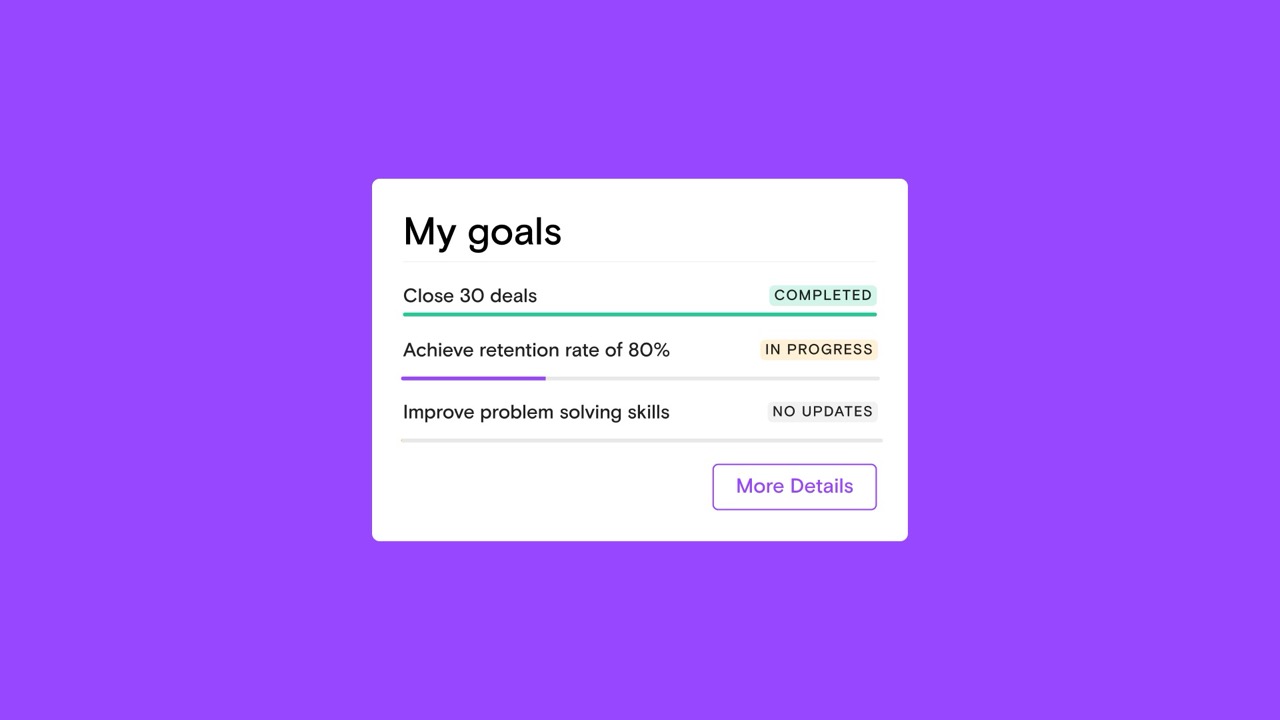
Bayzat serves as a prime example of how AI can transform performance management processes. The platform utilizes AI algorithms to automate the performance review process by tracking employee progress and providing real-time feedback.
Bayzat also uses an AI-powered Applicant Tracking System system to streamline talent recruitment and acquisition processes. Through leveraging AI-powered analytics and insights, Bayzat has also successfully revolutionized employee engagement and performance at the workplace.
In simpler terms, investing in AI-powered HR software such as Bayzat can lead to a more efficient, transparent, and fair performance management process that ultimately benefits both the organization and its employees.
Frequently Asked Questions (FAQs)
Q: Can AI improve employee engagement?
Yes, AI can help improve employee engagement through data-driven evaluations and feedback, which promote transparency and fairness in performance management processes.
Q: Will AI replace HR professionals?
Although experts have predicted that AI emergence will affect around 85 million jobs by the end of 2025, AI is not meant to replace HR professionals. The experts also predict that AI will lay the foundation for approximately 97 million new opportunities globally.
Q: Are there any risks associated with using AI in performance management?
As with any technology, there are potential risks associated with using AI in performance management. These include data privacy concerns, the possibility of bias in algorithms, and overreliance on technology.
Q: Is AI ethical in performance management?
Just like any technology, there are concerns about the ethical implications of using AI in performance management. It is crucial for organizations to carefully consider these implications and ensure they are using AI in a responsible and ethical manner.

So much has changed over the past few years. The whirlwind of artificial intelligence (AI) advancements has transformed different human resources operations and performance management is no exception.
Integration of AI into performance management systems has greatly transformed how companies collect data, evaluate employees, provide feedback, and drive overall performance. In reality, AI is far more rudimentary. It has the power to revolutionize performance management from a time-consuming HR task into a strategic function that can drive business success.
Today, we’ll focus on the impact of AI applications on HR. And, of course, we’re talking about performance management. We’ll also look into how HR professionals and companies in the UAE, in particular, can embrace these advancements to optimize their HR processes.
What is Performance Management?
Performance management generally refers to the strategic process whereby organizations plan, monitor, and evaluate their employees’ performance. It involves setting goals, providing feedback and coaching, and creating development plans to help employees reach their full potential. This process is crucial for achieving individual and organizational goals.
Traditionally, performance management was a manual process that involved paper-based evaluations, lengthy feedback discussions, and annual performance reviews. However, with the advent of AI technologies, this process is becoming more automated and data-driven.
What is AI-Powered Performance Management?
AI-powered performance management is the process of using artificial intelligence to automate and optimize performance management tasks.
This commonly involves using data analytics, machine learning, and natural language processing to measure performance by considering different factors than a simple score or rating.
Role of AI in Performance Management: Its Impact
Performance management goes beyond traditional performance reviews and evaluations by including strategies for improving employee performance.
Next are the key ways in which artificial intelligence impacts the performance management process:
1. Automated Performance Reviews
AI-driven performance management systems help business leaders and HR practitioners concentrate on factual data and perform employee performance reviews.
The ROI of the platform is significant in 3 major ways:
a. Seamless collection of information: Otherwise, employees are forced to spend many hours collecting (usually) redundant data at performance review times. Therefore, the role of AI in performance management is evident here. It ensures that all the information is collected, organized, and accessible in one single place.
b. Real-time analysis of insights: With AI, it is easier for managers to access performance data, and analysis of the same can be done in real time. Correct data comes with real-time analysis and helps track employee progress and identify areas for improvement.
c. Eliminates any form of bias: AI eliminates the chances of any form of subjectivity during performance evaluations by using unbiased data to measure performance. This also ensures fairer and more accurate evaluations.
2. Predictive AI-Driven Analytics and Insights
Similar to analyzing past data and giving you recommendations for KPIs (key performance indicators), AI-based tools can predict the outcomes of certain actions.
A typical case is when the HR team has to predict employee turnover. They can use AI-powered algorithms to forecast the likelihood of an employee leaving and take proactive measures to retain them. In fact, most performance-tracking tools, now rely on AI algorithms to identify the employees’ performance.
That means many HR information systems have predictive analysis capabilities to automate performance tracking and reporting. Some will even go further and recommend development plans that can help you retain top talent.
3. Continuous Real-Time Assessments
Artificial intelligence in performance management systems can reduce the burden of rigid performance assessment cycles. Instead, it brings more flexibility, and continuous employee assessments are becoming a norm. The systems can track employee progress through regular check-ins and provide regular feedback. This is important because irregular and infrequent feedback may impact employee motivation and performance.
4. Personalized Learning and Development
AI can easily identify the areas an employee needs to work on. It can even inform the manager or HR practitioner of the best action. This can help personalize learning and development plans for each employee based on their strengths, weaknesses, and career aspirations.
AI can even help employees reinvest in their skills before they become obsolete.
5. Personalization and Individualization
AI enables managers and HR teams to tailor performance management processes per individual employees. The algorithms can analyze employee preferences, strengths, and weaknesses to provide personalized development plans, feedback, and learning opportunities.
The best part? It can all be done in real time, providing an efficient and effective performance management experience for both managers and employees.
6. Employee Engagement and Recognition
The margin for error in AI-based tracking is very minimal. Employees can be assigned specific goals or tasks to complete within a certain time frame during the achievement process. AI-powered platforms can assist in tracking this development in real-time and offer immediate feedback depending on the situation.
AI can also identify patterns of high-performing teams and individuals, allowing managers to replicate these success strategies across the organization. As is customary, employees should be recognized for their achievements if they are to continue performing at a high level.
7. Bias Reduction and Fairness
Another major advantage of AI-based systems is reducing bias and promoting fairness. Human biases can inadvertently seep into performance evaluations and impact decision-making. However, AI can help mitigate this issue by using data-driven evaluations rather than subjective opinions. This promotes a more accurate, fairer, and unbiased assessments.
8. Advanced Insights and Improved Output
Employee empowerment and accountability may be enhanced by collecting valuable input, understanding personnel goals, and creating a framework around them. Consequently, NLU techniques and artificial neural networks will help distinguish between the two and analyze phrase semantics, enabling companies to craft variations that will effectively engage employees.
AI can also identify the root causes of low performance and suggest corrective measures to improve output. HR technology solutions can help employers assess what their employees are going through daily.
9. Automation of Tasks
AI excels in automating routine performance management tasks. AI-based software can track and record employee performance data, create reports, schedule check-ins, and provide feedback without any human intervention. Consequently, managers can spend less time focusing on more important tasks such as coaching employees and developing strategies for improvement.
The integration of AI in performance management also delivers data-driven HR insights not readily apparent to humans. For instance, the algorithms detect nuances and patterns in employee data that may help HR professionals or managers understand workflow efficiencies. They also go ahead to highlight skill gaps that require rectification.
10. Enhanced Talent Acquisition
AI-powered performance management systems not only help managers track employee progress but also assist in talent acquisition. Based on an employee’s performance data, AI can identify the skills and traits of top performers within the organization. This information can inform recruitment decisions and attract candidates with similar qualities.
But it doesn’t stop there. AI algorithms can also analyze job applications and resumes to identify the most qualified candidates for a specific role, saving time and effort for HR teams. This increases the chances of hiring high-performing employees who are well-suited for the organization’s needs.
Benefits of Using Artificial Intelligence for Performance Management
A survey by Deloitte found that 63% of HR leaders believe AI will drive significant value in the next two years, and performance management is one area where this value can be seen.
That means AI is more than a buzzword. It can immensely help HR professionals or managers manage the performance of their employees in the following ways:
- Real-time feedback AI-powered performance management systems can provide real-time feedback on employee performance, enabling timely interventions and improvements.
- Objective evaluations: AI algorithms eliminate human bias from the evaluation process, ensuring that employees are evaluated objectively based on their actual performance rather than personal opinions or preferences.
- Enhanced data analysis: AI systems can process large amounts of data quickly. This provides valuable insights and identifies patterns that humans may overlook when decision-making.
- Personalized development plans: AI can analyze each employee’s needs and provide personalized development plans to help them improve their performance in specific areas.
- Time-saving: With automation, AI reduces the time spent on manual tasks, allowing HR professionals to focus on more strategic initiatives.
- Predictive insights: By analyzing past performance data, AI can forecast future performance and identify potential areas for improvement.
Potential Challenges for Using AI in Performance Management
While there are many benefits to using AI for performance management, it also presents certain challenges as mentioned below:
- Data bias: AI algorithms can only be as objective as the data they are fed. If the data is biased, it can perpetuate discriminatory practices and decisions.
- Human-AI balance: Striking the right balance between human judgment and AI recommendations can be challenging. Typically, AI systems are not designed to pick up on subjective factors like employee motivation or emotional intelligence.
- Transparency: The complexity of AI models can make it difficult for business leaders and employees to interpret and understand the reasoning behind AI-generated recommendations.
- Mistrust and resistance from employees: Some employees may feel threatened by AI’s role in evaluating their performance. They may also be skeptical about the accuracy and fairness of AI-generated evaluations.
- Ethical considerations: Ethical implications of AI in performance management, such as employee privacy, data security, and algorithmic fairness, need to be carefully considered when implementing AI in performance management systems.
How Can UAE HR Professionals Embrace AI in Performance Management?
One common misconception is that AI will replace HR professionals. However, the reality is that it can enhance their capabilities and make their jobs more efficient. As such, UAE HR professionals and managers can embrace AI in performance management in several ways:
Invest in AI-powered HR Software
There are numerous software solutions available that use AI algorithms to automate performance management tasks and provide valuable insights. Investing in these tools can greatly improve the overall performance management process. One example is Bayzat’s cloud-based HR and payroll platform that utilizes AI to simplify performance management processes.
Utilize ChatGPT to Enhance Efficiency
The updated version of ChatGPT powered by GPT-4 has the ability to mimic human conversation and provide quick responses to employees’ performance-related queries. For instance, HR practitioners can utilize it to collect feedback from employees, conduct performance reviews, and provide personalized training recommendations based on their performance data.
Train HR Teams on AI Implementation
As with any new technology, proper training for HR teams to effectively optimize performance through AI is crucial. This includes understanding how the software works, interpreting data and insights, and using them to improve decision-making. As an HR leader, you must also be open to feedback and continuously evaluate the effectiveness of AI in performance management processes.
Ensure Transparency with Employees
As we had mentioned earlier, most employees may be apprehensive about AI taking over their performance evaluations. To alleviate these fears, transparency is the key. Make sure to communicate the benefits of AI and be transparent about how it will be used in performance management. Anything less may create mistrust and affect employee engagement.
Use Data-Driven Performance Evaluations
Rather than relying on subjective opinions, use data-driven evaluations to accurately assess employee performance. This helps reduce bias and promotes fairness in the performance management process. It also provides more comprehensive insights into individual employee performance.
Data-driven HR processes also help identify trends and patterns that can inform decision-making and improve overall performance.
Case Study: Bayzat’s AI-powered Performance Management System
Bayzat serves as a prime example of how AI can transform performance management processes. The platform utilizes AI algorithms to automate the performance review process by tracking employee progress and providing real-time feedback.
Bayzat also uses an AI-powered Applicant Tracking System system to streamline talent recruitment and acquisition processes. Through leveraging AI-powered analytics and insights, Bayzat has also successfully revolutionized employee engagement and performance at the workplace.
In simpler terms, investing in AI-powered HR software such as Bayzat can lead to a more efficient, transparent, and fair performance management process that ultimately benefits both the organization and its employees.
Frequently Asked Questions (FAQs)
Q: Can AI improve employee engagement?
Yes, AI can help improve employee engagement through data-driven evaluations and feedback, which promote transparency and fairness in performance management processes.
Q: Will AI replace HR professionals?
Although experts have predicted that AI emergence will affect around 85 million jobs by the end of 2025, AI is not meant to replace HR professionals. The experts also predict that AI will lay the foundation for approximately 97 million new opportunities globally.
Q: Are there any risks associated with using AI in performance management?
As with any technology, there are potential risks associated with using AI in performance management. These include data privacy concerns, the possibility of bias in algorithms, and overreliance on technology.
Q: Is AI ethical in performance management?
Just like any technology, there are concerns about the ethical implications of using AI in performance management. It is crucial for organizations to carefully consider these implications and ensure they are using AI in a responsible and ethical manner.

Abdelkarim Aridj
A seasoned Digital Marketer and a Content Marketing Strategist. When he isn't working, he spends his free time cycling, and hiking.
Related Articles

The annual performance appraisal process is one activity in organizations that HR managers and employees alike dread. Although it’s intended to bring out the best in people, unfortunately, more often […]
In the Early 2000s, General Electric, an American Multinational conglomerate, experienced a crunching profit decline and stagnant stock prices. The company had to devise a performance review process that evaluated […]





Get Social