



Understanding HR policies in UAE is crucial for legal compliance and efficient operations. This guide provides insights into essential HR policies in UAE on recruitment, compensation, performance management, and legal compliance, tailored for the UAE’s unique business environment.
Overview of UAE HR Policies
HR policies in the UAE bridge business needs and labor laws, ensuring compliance and operational efficiency. These policies are central to managing hiring, compensation, and daily interactions. They not only ensure legal compliance but also embrace cultural considerations and best practices in employee management.
Understanding local labor laws and recruitment practices is crucial for navigating the regulatory landscape. Clear HR policies foster a positive work environment where human resources feel valued and motivated, leading to improved satisfaction and performance.
Regular updates to these policies keep them relevant and inclusive, ensuring employees are informed about any changes.
Key HR Policies
In the UAE, key HR policies include recruitment, compensation, performance management, termination procedures, and diversity and inclusion. These policies cover essential components such as benefits, health and safety, grievance procedures, and termination processes. Documenting these policies ensures transparency and accountability, which are critical for legal compliance.
HR policies need regular updates to align with evolving legal requirements and organizational needs. They should also detail end-of-service benefits, clarifying how they are calculated and any deductions involved in the hr policy.
Effective termination procedures, including notice and payment of benefits, are equally important.
Legal Framework
The UAE labor laws establish legal standards for employee rights and responsibilities, covering terms of employment, working conditions, and dispute resolution. Compliance with these federal decree law promotes a conducive work environment that attracts talent and fosters growth. Regular reviews of HR policies ensure they comply with the constantly evolving labor laws.
Employers should clearly define the rights and responsibilities of both parties to avoid legal risks for businesses operating in their industry. Non-compliance can lead to severe penalties, including fines and loss of business licenses.
Understanding local regulations and consulting HR experts ensures policies align with UAE labor law.
Recruitment and Hiring Practices

Recruitment and hiring practices in the UAE must adhere to local labor laws to ensure compliance and avoid penalties. Understanding local employment trends helps craft effective recruitment strategies that attract top talent. Utilizing AI in HR can enhance the recruitment process through data-driven decisions.
Diversity initiatives in recruitment strategies ensure varied perspectives in the workplace. Regular diversity training challenges biases and promotes inclusivity, contributing to a supportive workplace and enhancing employee satisfaction.
Employment Contracts
Written employment contracts in the UAE protect both employer and employee rights. These contracts should detail the duration of employment, job titles, responsibilities, remuneration, and working hours to avoid discrepancies. Explicitly defining job titles and responsibilities helps prevent misunderstandings and ensures clarity.
Employment contracts should also include terms, conditions, and benefits, ensuring both parties understand their obligations. This clarity helps maintain a positive employment relationship and compliance with labor laws, as outlined in the employment contract.
Working Hours and Overtime Pay
The UAE labor law sets a maximum of 8 working hours per day and 48 hours per week. Employers must provide overtime pay at enhanced rates for hours worked beyond the standard hours, ensuring fair compensation and compliance with labor laws.
During Ramadan, daily working hours are reduced by two hours to accommodate fasting practices. Strict regulations on overtime hours contribute to a balanced and fair workplace.
Employee Benefits and Compensation
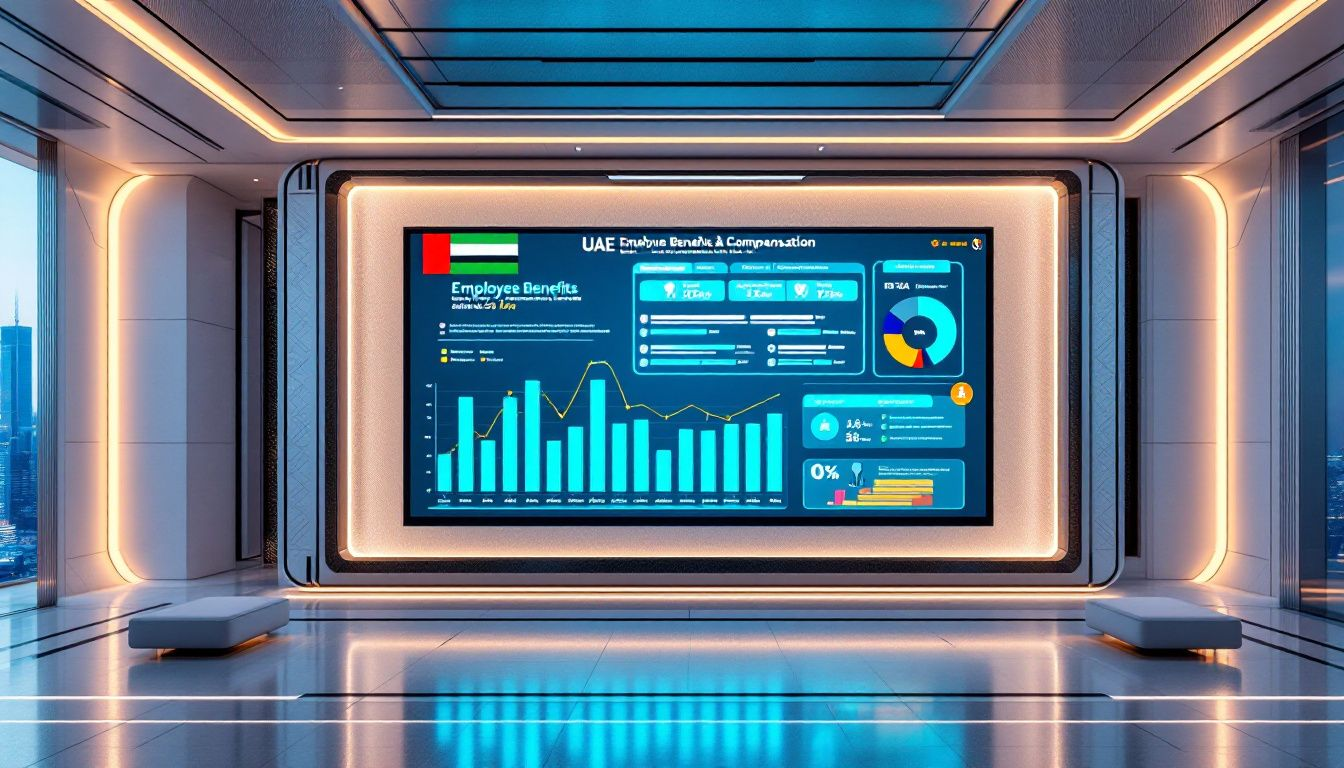
Offering fair and competitive wages attracts and retains top talent in the UAE’s dynamic business environment. Compensation packages should reflect an organization’s commitment to fair employment practices, creating a motivating work environment.
UAE labor laws mandate essential employee benefits, including minimum wage, annual leave, sick leave, maternity leave, and end-of-service benefits. Comprehensive compensation and benefits policies boost employee satisfaction and encourage retention, building a stable workforce.
Health Insurance and Leave Policies
Employers in the UAE must provide basic health insurance covering essential medical needs for employees and, in some cases, their dependents. Employees are entitled to at least 30 days of paid leave after one year of service, with eligibility beginning after six months.
Sick leave allows for 90 days per year after three months of service, with specific pay conditions. Female employees can avail of 60 days of paid maternity leave after completing one year of service, while paternity leave is a minimum of 5 days within six months of a child’s birth.
Health and Safety Standards

Employers in the UAE are legally obligated to provide a safe working environment for their employees. Health and safety policies are grounded in laws such as the Federal Labour Law, which mandates risk assessments and safety measures.
Regular safety audits and maintenance of machinery protect employees from work-related injuries and diseases, demonstrating a commitment to employee well-being and legal compliance.
Implementing Health and Safety Policies
Prioritizing health and safety fosters a positive and productive workplace. Regular risk assessments, safety training programs, and adherence to occupational health guidelines are essential measures.
Effective health and safety policies protect employees from hazards and demonstrate a commitment to workforce well-being. Implementing these policies ensures compliance and promotes a supportive workplace environment.
Performance Management and Development
Performance management and development strategies are crucial for creating a thriving workforce. They focus on evaluating and enhancing performance, and aligning individual goals with broader organizational objectives. A performance management system should include clear objectives, regular feedback, and structured evaluations.
Recognizing and rewarding achievements motivates high performance, while encouraging feedback enhances workplace morale and satisfaction. These practices contribute to a positive workplace culture and employee satisfaction.
Training Programs
Collaborative goal-setting between managers and employees identifies training needs in the workplace. Ongoing training sessions align skill development with the organization’s goals and enhance employee engagement.
Effective training on new HR software technology is crucial for successful adoption. These programs promote employee development and well-being, contributing to a supportive workplace environment.
Employee Relations and Compliance
Effective HR policies mitigate legal risks and promote a harmonious workplace. Strong employee relations contribute to a stable and productive work environment, enhancing satisfaction and engagement.
Compliance with labor laws, especially for taxation and data protection, is crucial for UAE HR policies. Clear policies in employee relations help achieve a positive work environment and provide legal protection.
Conflict Resolution Mechanisms
Comprehensive HR policies establish consistent practices, fairness, and equity in decision-making. Grievance procedures should ensure prompt and confidential handling of employee concerns.
Documented HR policies assist in resolving employee grievances by providing a balanced approach and considering all factors related to the situation.
Recent Updates in UAE Labor Laws
Recent changes in UAE labor laws include the requirement for fixed-term contracts with a maximum duration of three years, replacing unlimited-term contracts. Redundancy is now recognized as a legitimate reason for terminating fixed-term contracts.
The new laws also allow for flexible working arrangements, including job-sharing and part-time work. Recent updates to Dubai’s labor laws enhance employee protections and promote business transparency.
Legal Compliance Updates
HR policies in the UAE must comply with local labor laws to foster a positive work environment. Essential HR policies, including recruitment, compensation, performance management, and termination procedures, require regular updates and documentation.
Recent changes in UAE labor laws include remote work policies and enhanced protections for domestic workers, making it crucial for businesses to update their HR policies accordingly. Strong employee relations ensure compliance with legal obligations, create an inclusive workplace, and help avoid legal disputes.
Leveraging Technology in HR Management
Integrating technology in HR management improves efficiency and accuracy for organizations in the UAE, and helps ensure better compliance with regulations. Automation of HR processes streamlines operations, ensuring effective policy application in Middle Eastern businesses.
HCM software like PeopleStrong can significantly streamline HR processes. Relocate MENA offers guidance in establishing new HR frameworks and updating existing policies to keep pace with technological advancements.
Best Practices for HR Technology Implementation
PeopleStrong provides a centralized platform for payroll, performance evaluations, and talent management to support HR activities. An employee self-service portal enables access to HR policies, ensuring clarity and compliance.
Implementing HR technology streamlines processes, improves efficiency, and enhances overall employee experience. Leveraging these technologies greatly enhances employee satisfaction and operational effectiveness.
Promoting a Positive Workplace Culture

Effective HR policies boost employee satisfaction and contribute positively to an organization’s health. Prioritizing employee well-being is fundamental for successful HR management in the UAE. Creating a safe, healthy, and supportive workplace environment enhances satisfaction and productivity.
Clear core values guide an organization’s culture and align employees’ behavior with company objectives. Promoting open communication fosters a culture where employees feel valued and engaged, contributing to a positive atmosphere.
Inclusive Workplace Practices
Encouraging diversity and inclusivity creates a welcoming environment where every employee feels valued and respected. An inclusive workplace empowers employees to express their unique perspectives, fostering innovation and collaboration.
Accessible grievance procedures create a supportive atmosphere where employees feel safe to voice concerns. Cultivating a sense of belonging significantly boosts employee engagement and retention rates.
Summary
Summing up the key points, understanding and implementing comprehensive HR policies in the UAE is crucial for legal compliance and creating a thriving workplace. From recruitment and compensation to health and safety, each aspect plays a vital role in fostering a positive work environment and enhancing employee satisfaction.
The journey through the UAE’s HR landscape requires continuous learning and adaptation. Employers who prioritize their employees’ well-being and stay updated with legal requirements will undoubtedly see a positive impact on their business success.
Frequently Asked Questions
What are the key HR policies required for employers in the UAE?
Employers in the UAE must implement key HR policies encompassing recruitment, compensation, performance management, termination procedures, and diversity and inclusion. These policies should address benefits, health and safety standards, grievance procedures, and clear termination processes.
What are the legal requirements for employment contracts in the UAE?
Employment contracts in the UAE must specify the duration of employment, job titles, responsibilities, remuneration, and working hours, along with terms, conditions, and benefits to ensure clarity and compliance with labor laws. Ensuring these elements are included is crucial for legal adherence.
How are working hours and overtime pay regulated in the UAE?
In the UAE, working hours are regulated to a maximum of 8 hours per day and 48 hours per week. Overtime pay is required at enhanced rates for any hours worked beyond the standard limits, ensuring fair compensation for employees.
What are the mandatory employee benefits in the UAE?
Mandatory employee benefits in the UAE encompass minimum wage, annual leave, sick leave, maternity leave, and end-of-service benefits, alongside the requirement for employers to provide basic health insurance covering essential medical needs. These benefits ensure a standard level of protection and support for employees in the workplace.
How can technology enhance HR management in the UAE?
Technology significantly enhances HR management in the UAE by improving efficiency, accuracy, and compliance through systems such as PeopleStrong, which streamline processes and enrich the employee experience. This integration ensures effective implementation of HR policies.

Understanding HR policies in UAE is crucial for legal compliance and efficient operations. This guide provides insights into essential HR policies in UAE on recruitment, compensation, performance management, and legal compliance, tailored for the UAE’s unique business environment.
Overview of UAE HR Policies
HR policies in the UAE bridge business needs and labor laws, ensuring compliance and operational efficiency. These policies are central to managing hiring, compensation, and daily interactions. They not only ensure legal compliance but also embrace cultural considerations and best practices in employee management.
Understanding local labor laws and recruitment practices is crucial for navigating the regulatory landscape. Clear HR policies foster a positive work environment where human resources feel valued and motivated, leading to improved satisfaction and performance.
Regular updates to these policies keep them relevant and inclusive, ensuring employees are informed about any changes.
Key HR Policies
In the UAE, key HR policies include recruitment, compensation, performance management, termination procedures, and diversity and inclusion. These policies cover essential components such as benefits, health and safety, grievance procedures, and termination processes. Documenting these policies ensures transparency and accountability, which are critical for legal compliance.
HR policies need regular updates to align with evolving legal requirements and organizational needs. They should also detail end-of-service benefits, clarifying how they are calculated and any deductions involved in the hr policy.
Effective termination procedures, including notice and payment of benefits, are equally important.
Legal Framework
The UAE labor laws establish legal standards for employee rights and responsibilities, covering terms of employment, working conditions, and dispute resolution. Compliance with these federal decree law promotes a conducive work environment that attracts talent and fosters growth. Regular reviews of HR policies ensure they comply with the constantly evolving labor laws.
Employers should clearly define the rights and responsibilities of both parties to avoid legal risks for businesses operating in their industry. Non-compliance can lead to severe penalties, including fines and loss of business licenses.
Understanding local regulations and consulting HR experts ensures policies align with UAE labor law.
Recruitment and Hiring Practices
Recruitment and hiring practices in the UAE must adhere to local labor laws to ensure compliance and avoid penalties. Understanding local employment trends helps craft effective recruitment strategies that attract top talent. Utilizing AI in HR can enhance the recruitment process through data-driven decisions.
Diversity initiatives in recruitment strategies ensure varied perspectives in the workplace. Regular diversity training challenges biases and promotes inclusivity, contributing to a supportive workplace and enhancing employee satisfaction.
Employment Contracts
Written employment contracts in the UAE protect both employer and employee rights. These contracts should detail the duration of employment, job titles, responsibilities, remuneration, and working hours to avoid discrepancies. Explicitly defining job titles and responsibilities helps prevent misunderstandings and ensures clarity.
Employment contracts should also include terms, conditions, and benefits, ensuring both parties understand their obligations. This clarity helps maintain a positive employment relationship and compliance with labor laws, as outlined in the employment contract.
Working Hours and Overtime Pay
The UAE labor law sets a maximum of 8 working hours per day and 48 hours per week. Employers must provide overtime pay at enhanced rates for hours worked beyond the standard hours, ensuring fair compensation and compliance with labor laws.
During Ramadan, daily working hours are reduced by two hours to accommodate fasting practices. Strict regulations on overtime hours contribute to a balanced and fair workplace.
Employee Benefits and Compensation
Offering fair and competitive wages attracts and retains top talent in the UAE’s dynamic business environment. Compensation packages should reflect an organization’s commitment to fair employment practices, creating a motivating work environment.
UAE labor laws mandate essential employee benefits, including minimum wage, annual leave, sick leave, maternity leave, and end-of-service benefits. Comprehensive compensation and benefits policies boost employee satisfaction and encourage retention, building a stable workforce.
Health Insurance and Leave Policies
Employers in the UAE must provide basic health insurance covering essential medical needs for employees and, in some cases, their dependents. Employees are entitled to at least 30 days of paid leave after one year of service, with eligibility beginning after six months.
Sick leave allows for 90 days per year after three months of service, with specific pay conditions. Female employees can avail of 60 days of paid maternity leave after completing one year of service, while paternity leave is a minimum of 5 days within six months of a child’s birth.
Health and Safety Standards
Employers in the UAE are legally obligated to provide a safe working environment for their employees. Health and safety policies are grounded in laws such as the Federal Labour Law, which mandates risk assessments and safety measures.
Regular safety audits and maintenance of machinery protect employees from work-related injuries and diseases, demonstrating a commitment to employee well-being and legal compliance.
Implementing Health and Safety Policies
Prioritizing health and safety fosters a positive and productive workplace. Regular risk assessments, safety training programs, and adherence to occupational health guidelines are essential measures.
Effective health and safety policies protect employees from hazards and demonstrate a commitment to workforce well-being. Implementing these policies ensures compliance and promotes a supportive workplace environment.
Performance Management and Development
Performance management and development strategies are crucial for creating a thriving workforce. They focus on evaluating and enhancing performance, and aligning individual goals with broader organizational objectives. A performance management system should include clear objectives, regular feedback, and structured evaluations.
Recognizing and rewarding achievements motivates high performance, while encouraging feedback enhances workplace morale and satisfaction. These practices contribute to a positive workplace culture and employee satisfaction.
Training Programs
Collaborative goal-setting between managers and employees identifies training needs in the workplace. Ongoing training sessions align skill development with the organization’s goals and enhance employee engagement.
Effective training on new HR software technology is crucial for successful adoption. These programs promote employee development and well-being, contributing to a supportive workplace environment.
Employee Relations and Compliance
Effective HR policies mitigate legal risks and promote a harmonious workplace. Strong employee relations contribute to a stable and productive work environment, enhancing satisfaction and engagement.
Compliance with labor laws, especially for taxation and data protection, is crucial for UAE HR policies. Clear policies in employee relations help achieve a positive work environment and provide legal protection.
Conflict Resolution Mechanisms
Comprehensive HR policies establish consistent practices, fairness, and equity in decision-making. Grievance procedures should ensure prompt and confidential handling of employee concerns.
Documented HR policies assist in resolving employee grievances by providing a balanced approach and considering all factors related to the situation.
Recent Updates in UAE Labor Laws
Recent changes in UAE labor laws include the requirement for fixed-term contracts with a maximum duration of three years, replacing unlimited-term contracts. Redundancy is now recognized as a legitimate reason for terminating fixed-term contracts.
The new laws also allow for flexible working arrangements, including job-sharing and part-time work. Recent updates to Dubai’s labor laws enhance employee protections and promote business transparency.
Legal Compliance Updates
HR policies in the UAE must comply with local labor laws to foster a positive work environment. Essential HR policies, including recruitment, compensation, performance management, and termination procedures, require regular updates and documentation.
Recent changes in UAE labor laws include remote work policies and enhanced protections for domestic workers, making it crucial for businesses to update their HR policies accordingly. Strong employee relations ensure compliance with legal obligations, create an inclusive workplace, and help avoid legal disputes.
Leveraging Technology in HR Management
Integrating technology in HR management improves efficiency and accuracy for organizations in the UAE, and helps ensure better compliance with regulations. Automation of HR processes streamlines operations, ensuring effective policy application in Middle Eastern businesses.
HCM software like PeopleStrong can significantly streamline HR processes. Relocate MENA offers guidance in establishing new HR frameworks and updating existing policies to keep pace with technological advancements.
Best Practices for HR Technology Implementation
PeopleStrong provides a centralized platform for payroll, performance evaluations, and talent management to support HR activities. An employee self-service portal enables access to HR policies, ensuring clarity and compliance.
Implementing HR technology streamlines processes, improves efficiency, and enhances overall employee experience. Leveraging these technologies greatly enhances employee satisfaction and operational effectiveness.
Promoting a Positive Workplace Culture
Effective HR policies boost employee satisfaction and contribute positively to an organization’s health. Prioritizing employee well-being is fundamental for successful HR management in the UAE. Creating a safe, healthy, and supportive workplace environment enhances satisfaction and productivity.
Clear core values guide an organization’s culture and align employees’ behavior with company objectives. Promoting open communication fosters a culture where employees feel valued and engaged, contributing to a positive atmosphere.
Inclusive Workplace Practices
Encouraging diversity and inclusivity creates a welcoming environment where every employee feels valued and respected. An inclusive workplace empowers employees to express their unique perspectives, fostering innovation and collaboration.
Accessible grievance procedures create a supportive atmosphere where employees feel safe to voice concerns. Cultivating a sense of belonging significantly boosts employee engagement and retention rates.
Summary
Summing up the key points, understanding and implementing comprehensive HR policies in the UAE is crucial for legal compliance and creating a thriving workplace. From recruitment and compensation to health and safety, each aspect plays a vital role in fostering a positive work environment and enhancing employee satisfaction.
The journey through the UAE’s HR landscape requires continuous learning and adaptation. Employers who prioritize their employees’ well-being and stay updated with legal requirements will undoubtedly see a positive impact on their business success.
Frequently Asked Questions
What are the key HR policies required for employers in the UAE?
Employers in the UAE must implement key HR policies encompassing recruitment, compensation, performance management, termination procedures, and diversity and inclusion. These policies should address benefits, health and safety standards, grievance procedures, and clear termination processes.
What are the legal requirements for employment contracts in the UAE?
Employment contracts in the UAE must specify the duration of employment, job titles, responsibilities, remuneration, and working hours, along with terms, conditions, and benefits to ensure clarity and compliance with labor laws. Ensuring these elements are included is crucial for legal adherence.
How are working hours and overtime pay regulated in the UAE?
In the UAE, working hours are regulated to a maximum of 8 hours per day and 48 hours per week. Overtime pay is required at enhanced rates for any hours worked beyond the standard limits, ensuring fair compensation for employees.
What are the mandatory employee benefits in the UAE?
Mandatory employee benefits in the UAE encompass minimum wage, annual leave, sick leave, maternity leave, and end-of-service benefits, alongside the requirement for employers to provide basic health insurance covering essential medical needs. These benefits ensure a standard level of protection and support for employees in the workplace.
How can technology enhance HR management in the UAE?
Technology significantly enhances HR management in the UAE by improving efficiency, accuracy, and compliance through systems such as PeopleStrong, which streamline processes and enrich the employee experience. This integration ensures effective implementation of HR policies.

Noor Gharib
Related Articles
Choosing the right HR software has become a critical decision for businesses in Saudi Arabia and the Middle East. As companies scale, expand across locations, and navigate local labor regulations, […]

Need an efficient way to handle employee onboarding process? Our onboarding and offboarding checklist offers clear steps for smooth integration of new hires and professional exits. Discover best practices in […]






Get Social